EXHIBITION

HIDDEN

VALUES

HIDDEN

VALUES

Event by andless as part of WDC

Event by andless as part of WDC

when

TUE 09.06 | 10h – 22h

WED – FRI 10.06 – 12.06. | 16 – 20h

SAT 13.06 | 11h – 16h

where

adress

andless studio

GWINNERSTR. 36

60435 FRANKFURT

andless studio

GWINNERSTR. 36

60435 FRANKFURT


what

EXHIBITION // TOUR

TALKS // NETWORKING


EXHIBITION // TOUR

TALKS // NETWORKING


Hidden Values - Out Of Sight, Out Of Mind?

What we don't see, we forget. What we forget, we throw away.

In the context of World Design Capital Frankfurt RheinMain 2026, andless studio brings hidden resources to the surface – from the forward-looking visions that rested for decades in the drawers of the BraunPrize archive, to invisible values in our products.

PART 01/02

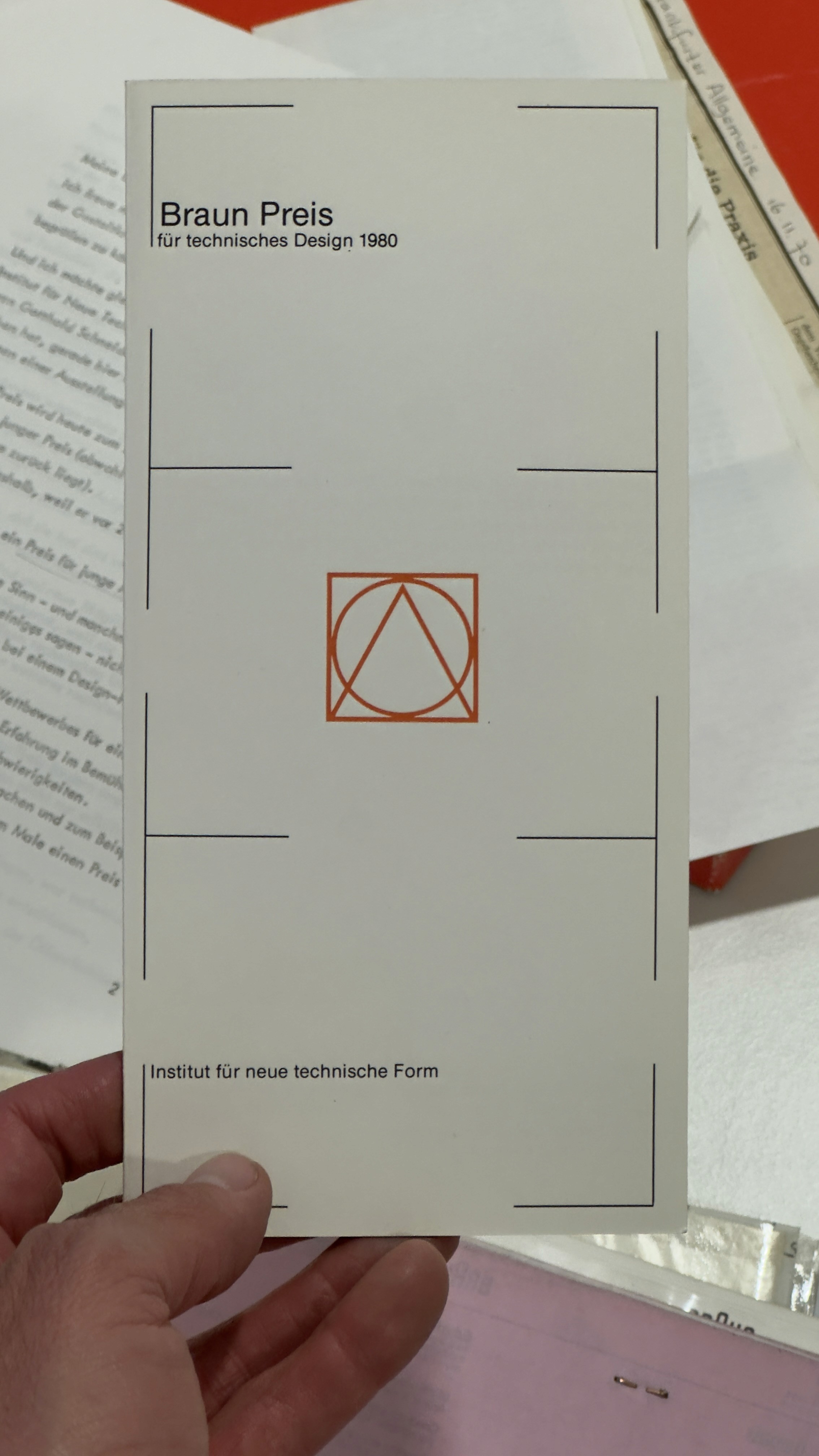
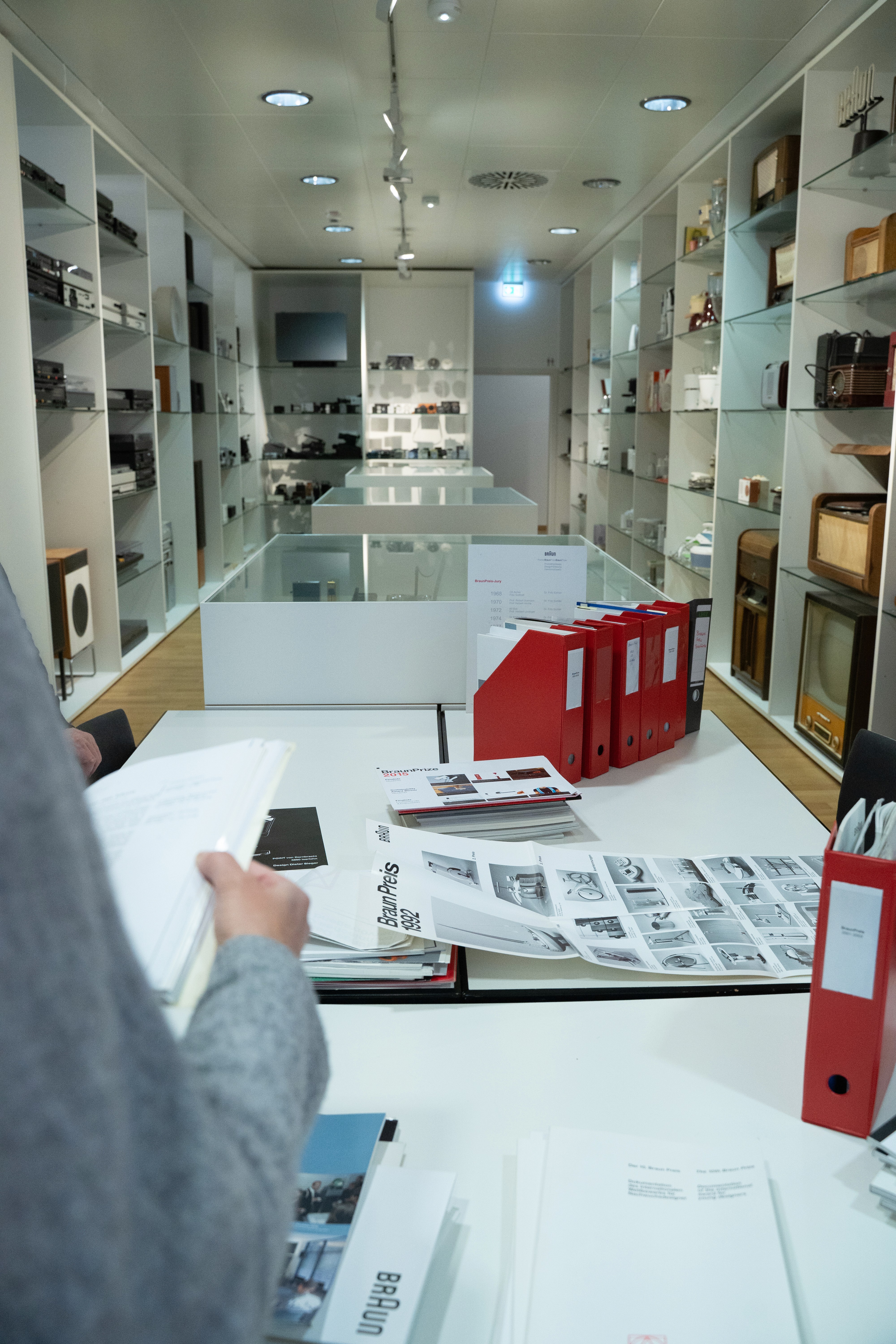
BraunPrize – Ideas To Keep

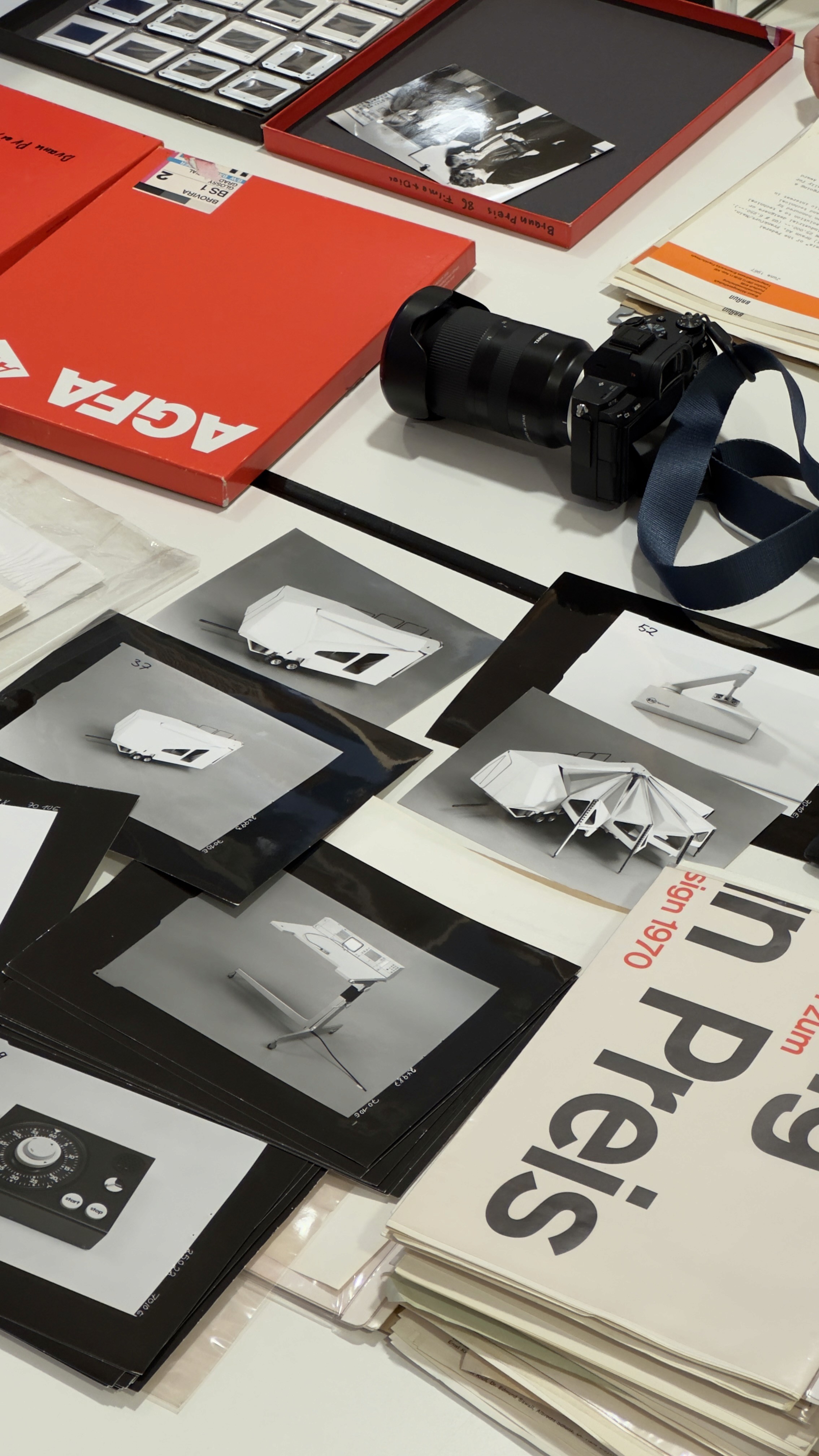
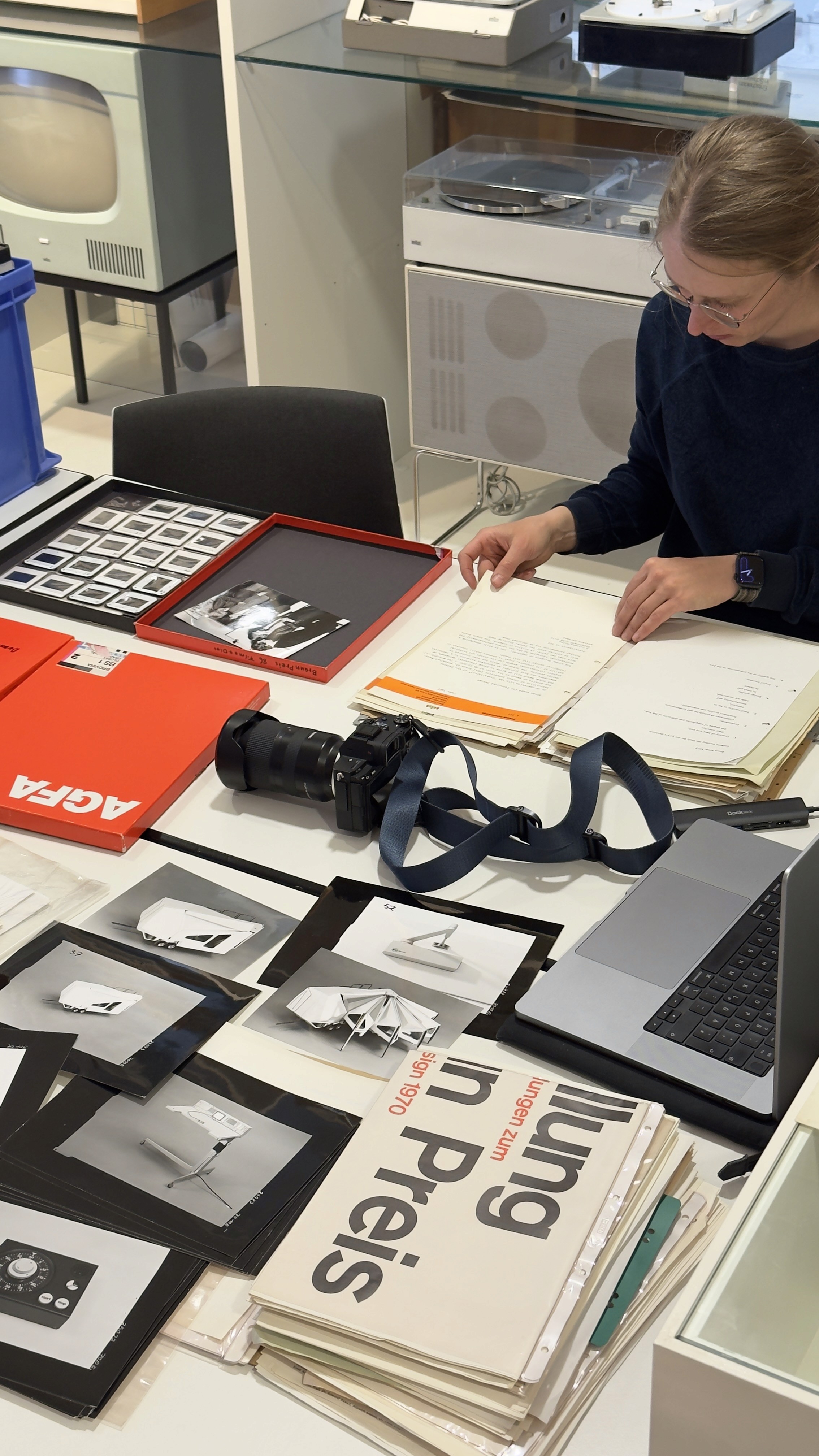
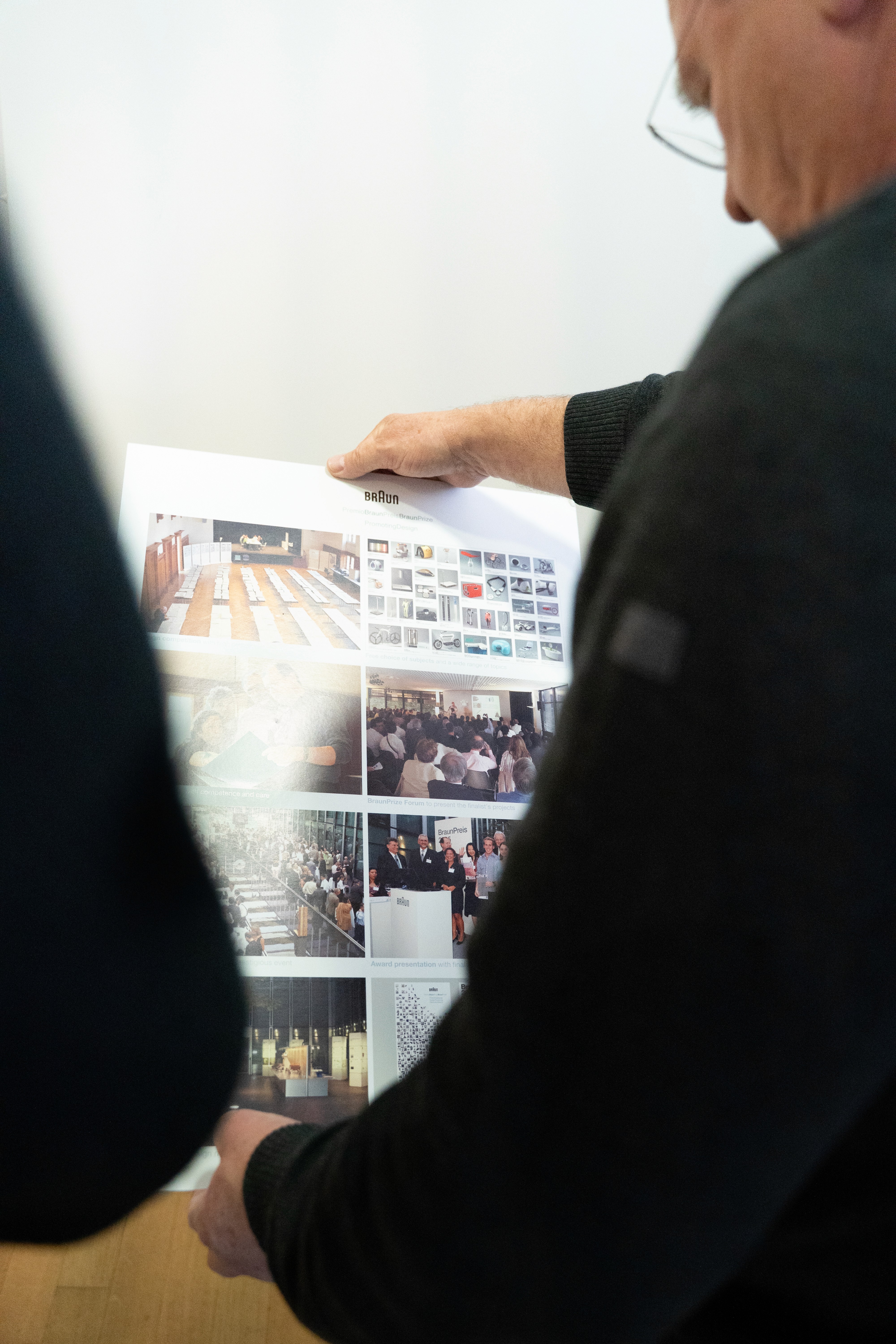
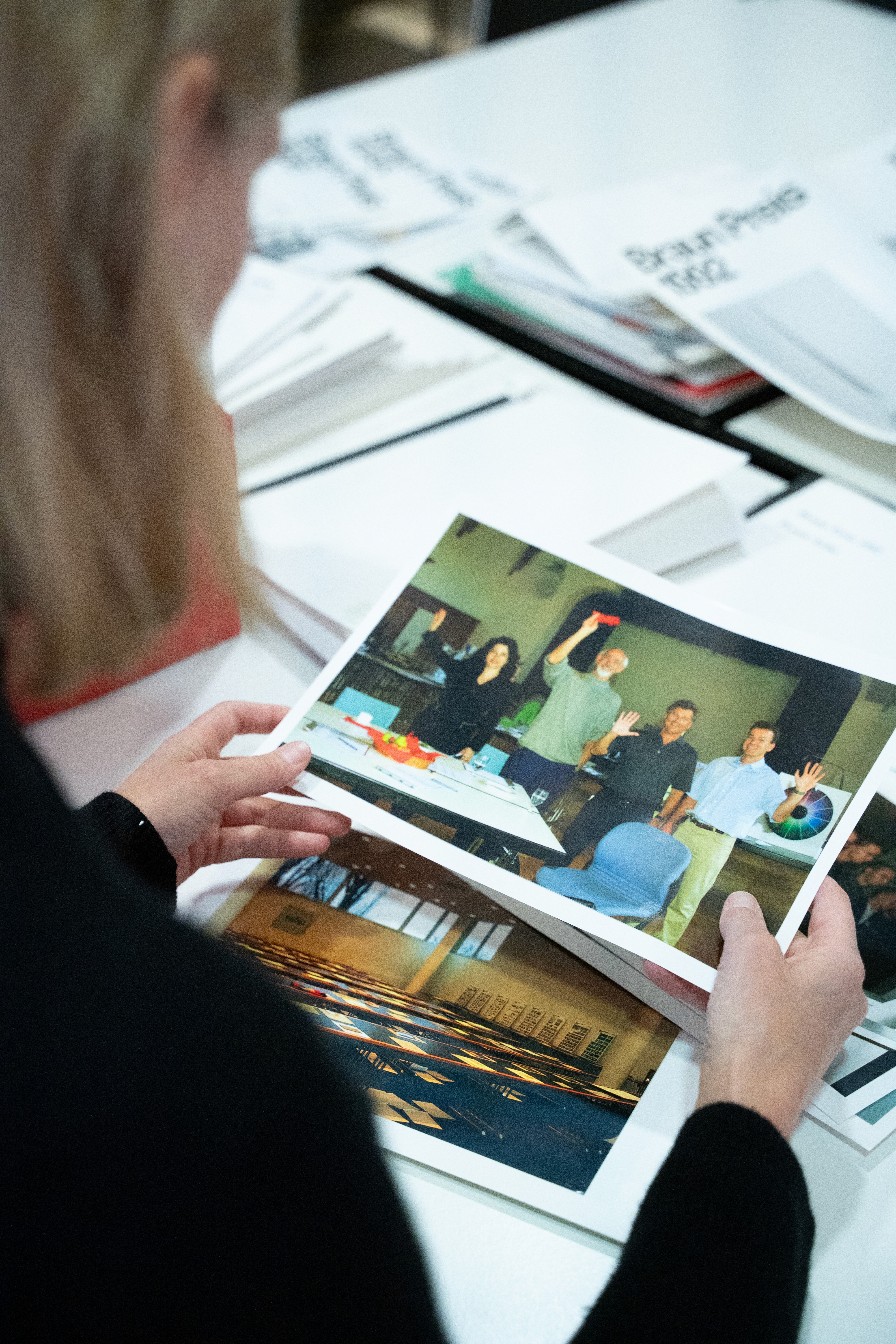
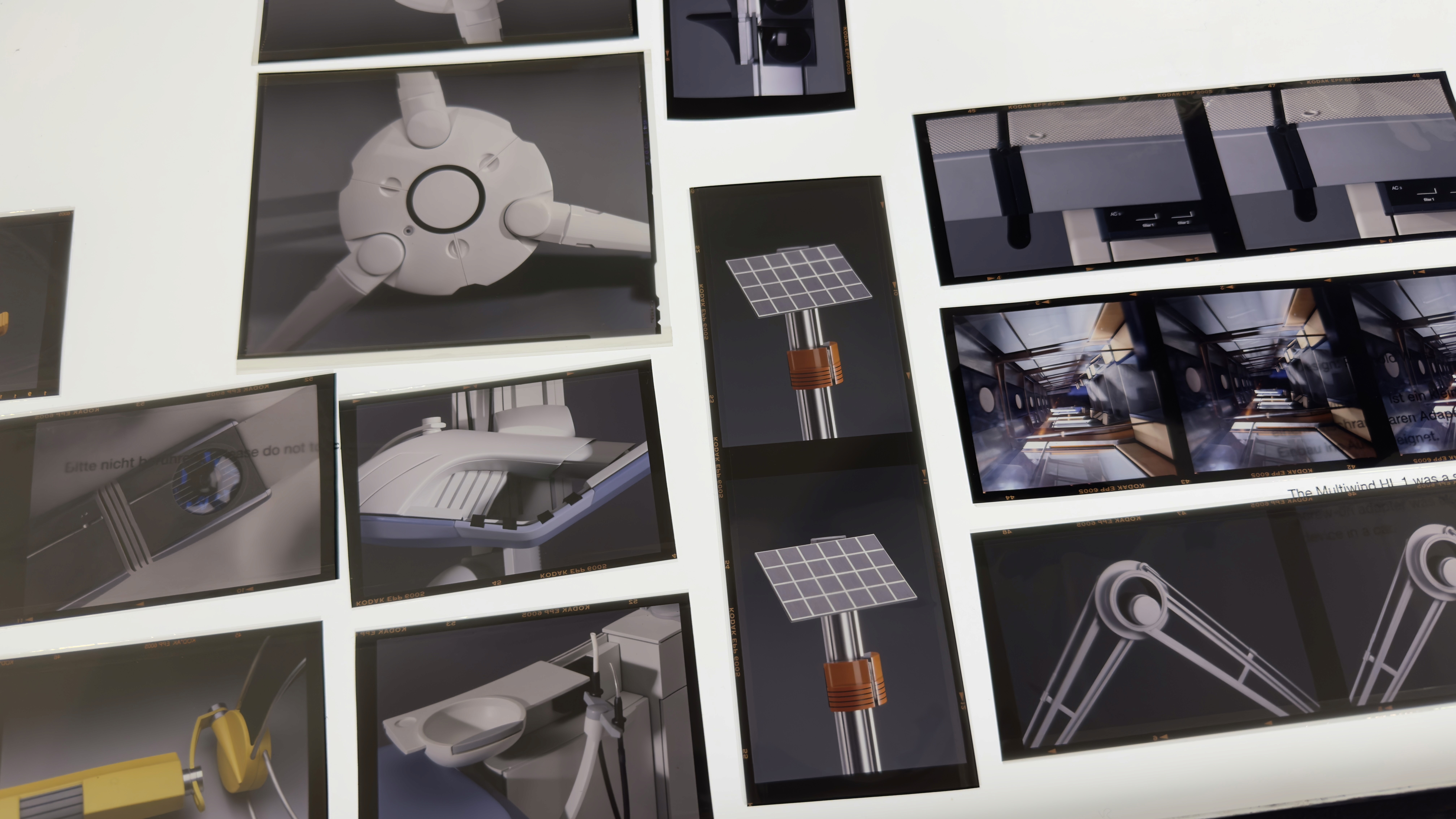
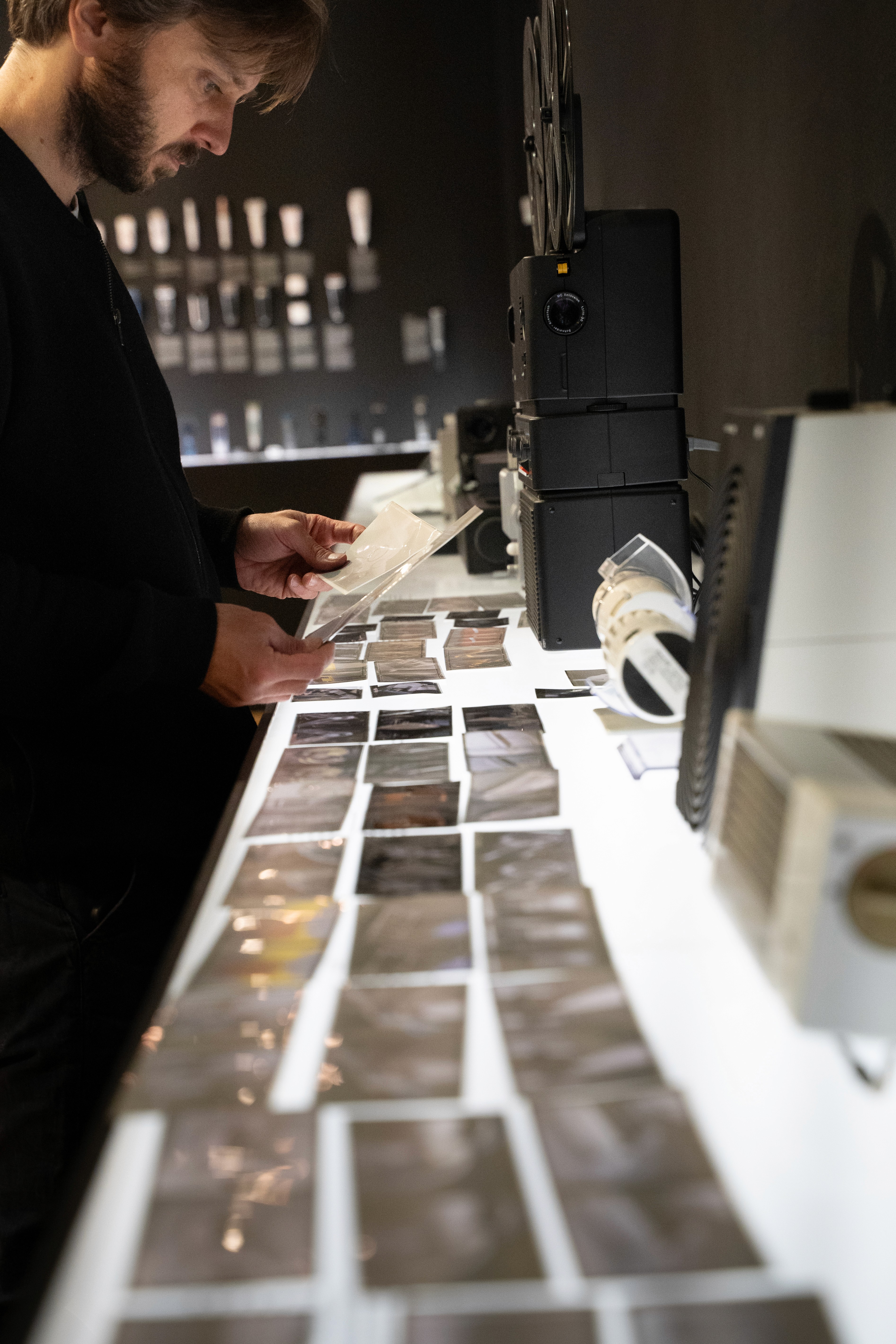
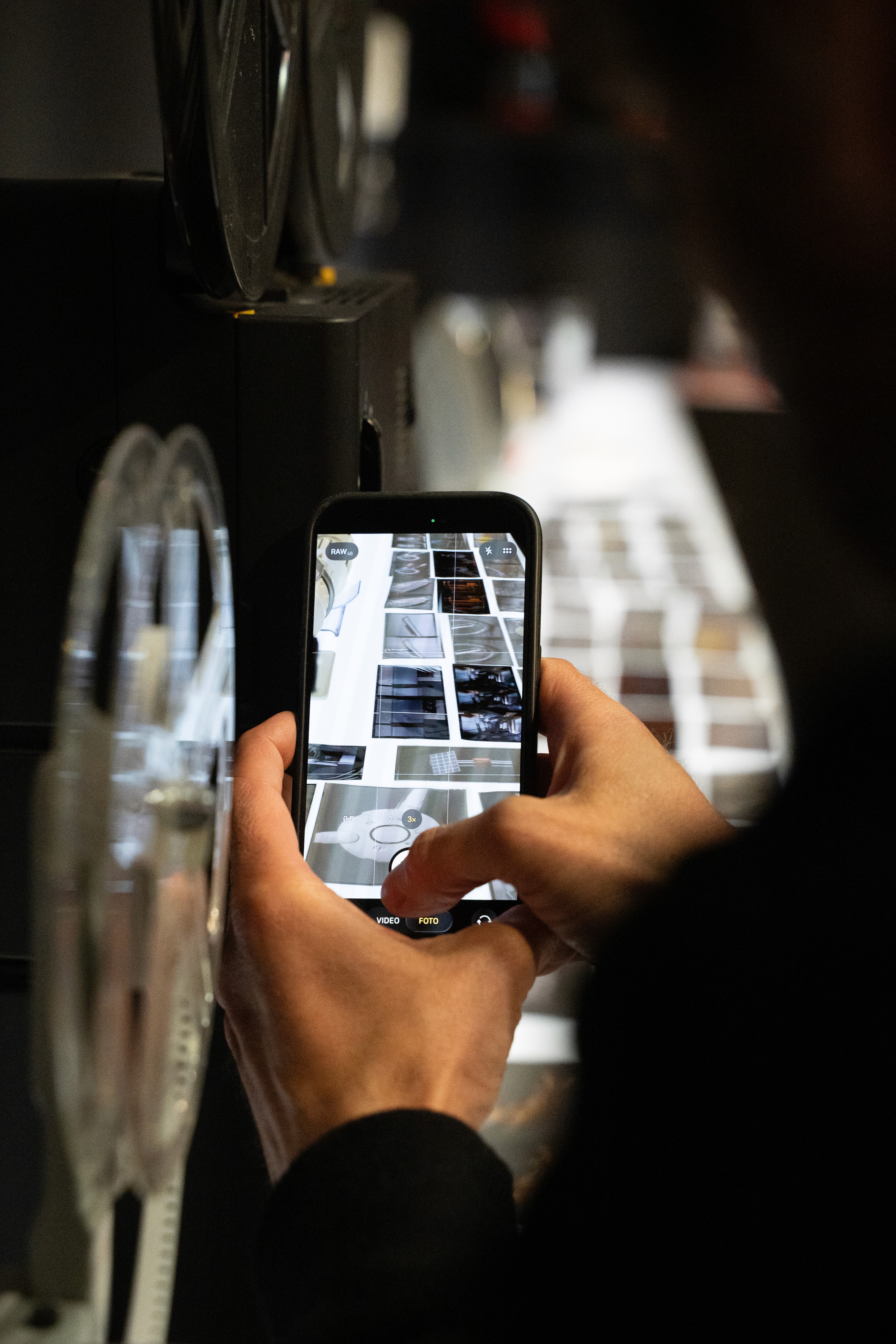
We dove headfirst into the BraunPrize archive and quickly realized we are barely scratching the surface. What began as a curation project revealed an awe-inspiring treasure trove of design history spanning nearly six decades.
A Time Capsule of Media and Marketing

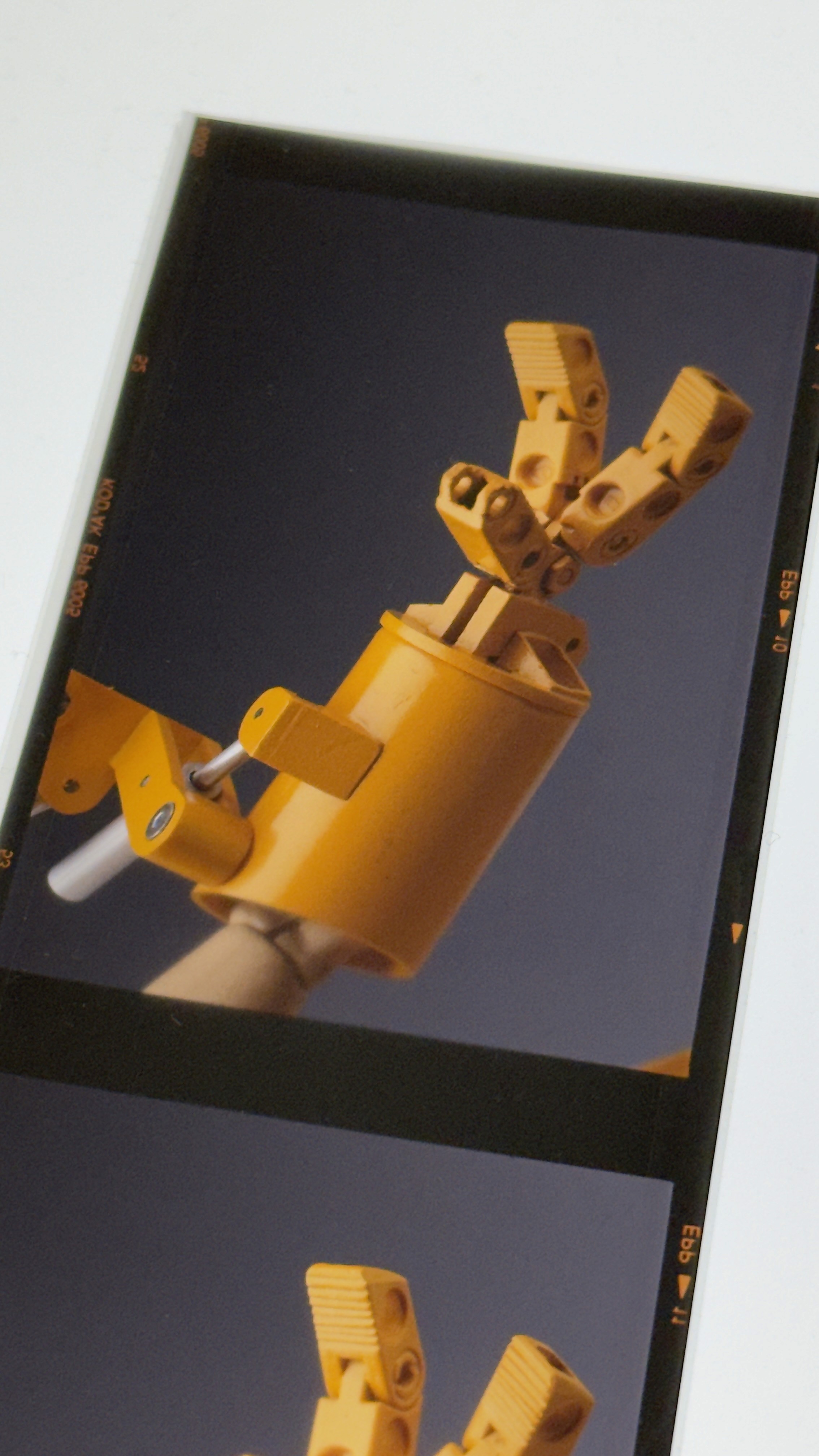
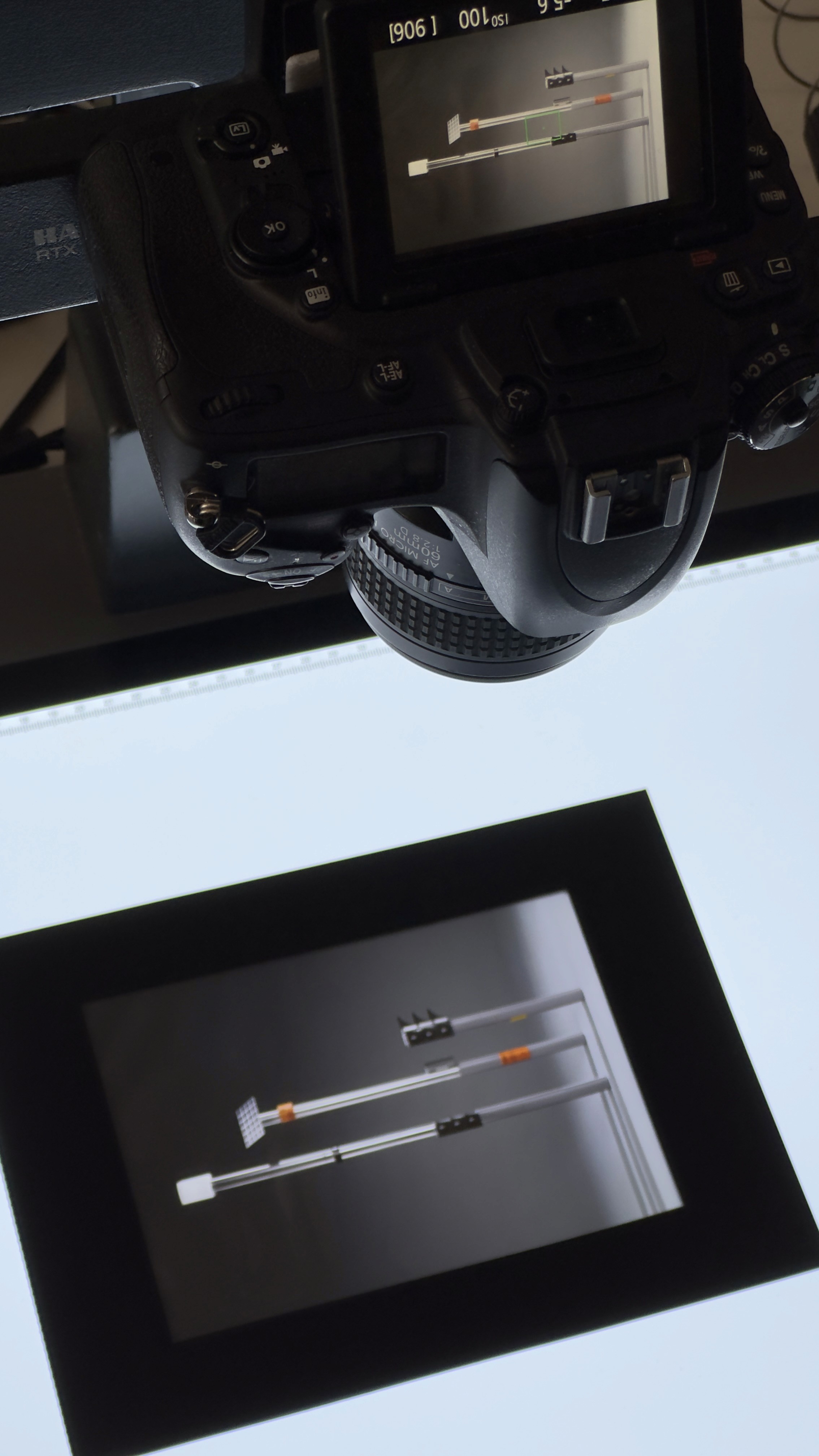
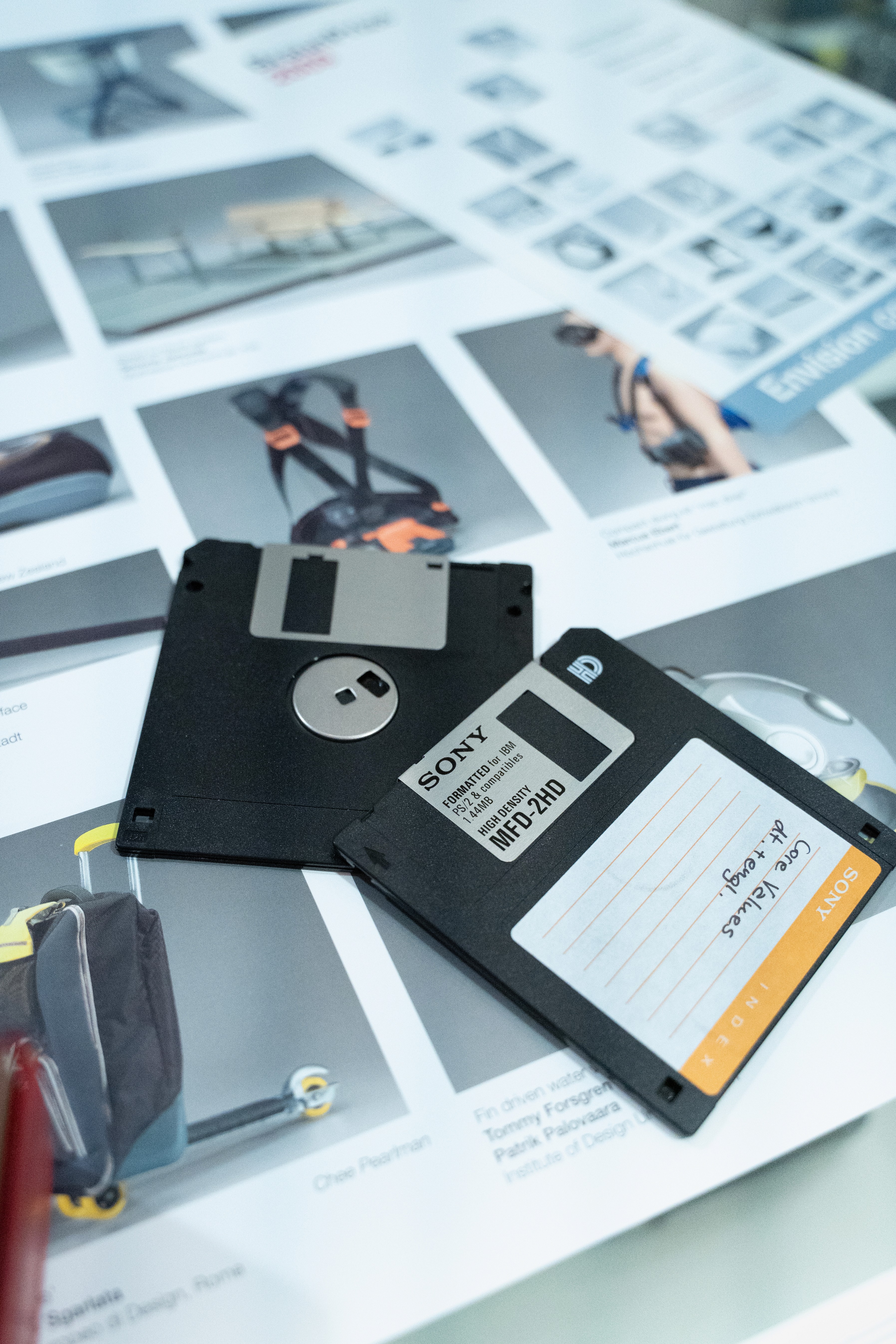
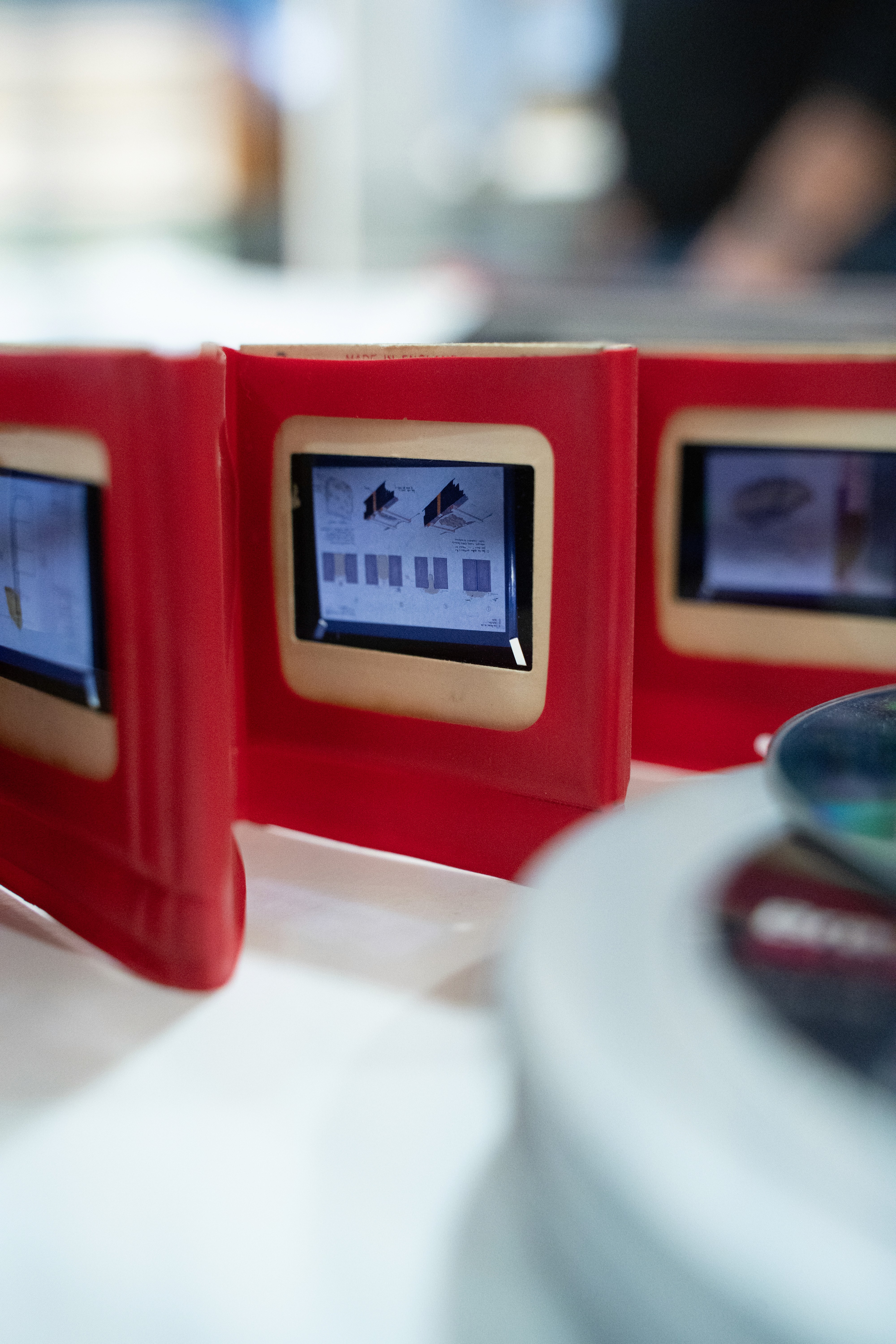
Moving through the archive is like traveling through the history of media itself. We uncovered a stunning mix of physical history, from printed documents, floppy disks, and CDs to large-format negatives. Most fascinating, however, are the numerous vintage newspaper articles. Far from just announcing past winners, these clippings show how the marketing of design shifted from the evocative, poetic exposition of 1968 to today’s global, purpose-led narratives.
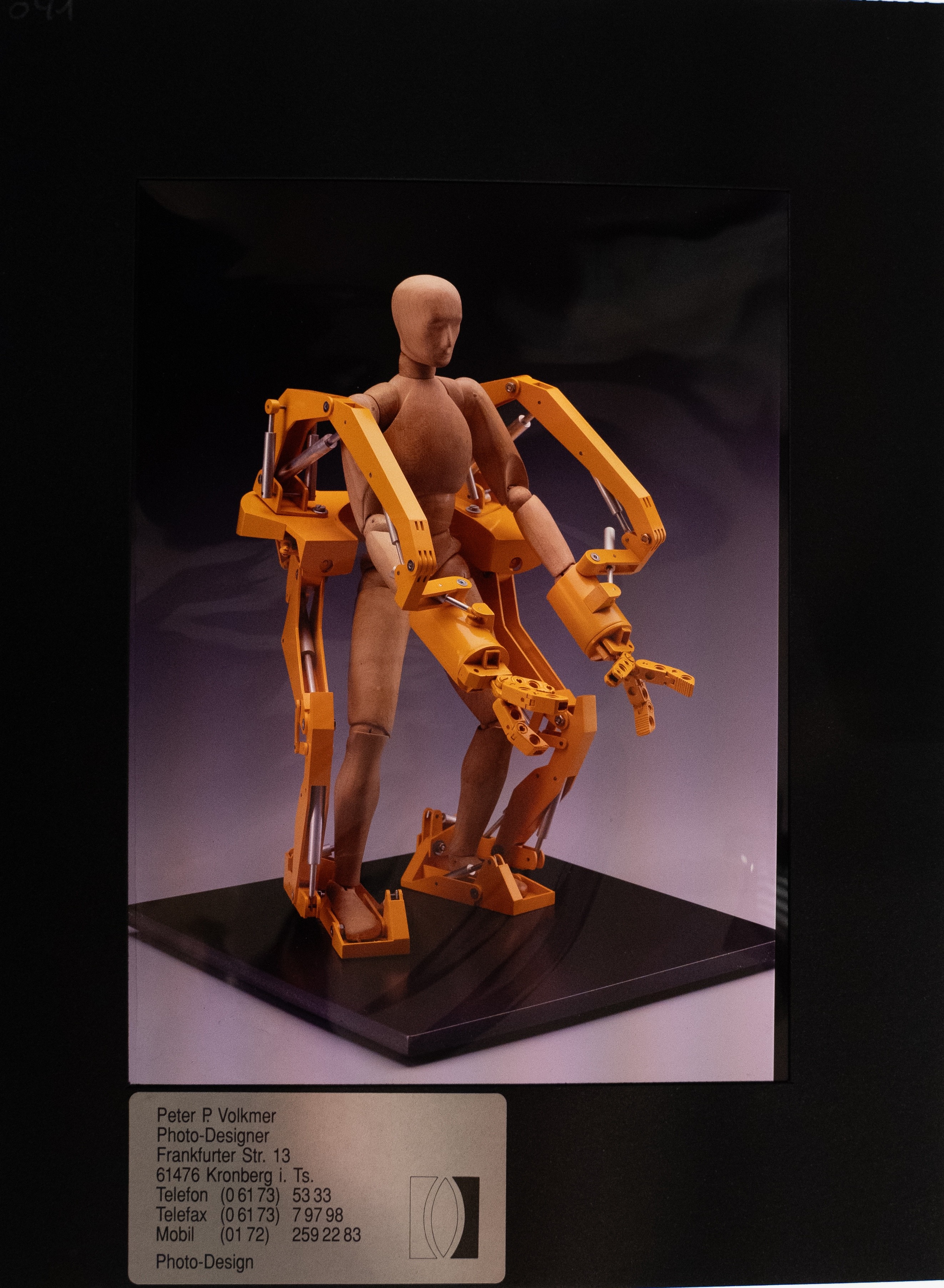
Yesterday’s Visions, Today’s Reality

The archive is packed with concepts that were once viewed as radically futuristic but are now taken completely for granted. This inspired our latest exhibition, Hidden Values. It is a celebration of these forgotten steps, but as we put the final touches on the display, we realized this is only the beginning.

The archive is packed with concepts that were once viewed as radically futuristic but are now taken completely for granted. This inspired our exhibition, Hidden Values. It is a celebration of these forgotten steps, but as we put the final touches on the display, we realized this is only the beginning.

Why look back? ´

Because studying the past isn’t just about nostalgia, it is a necessity for active innovation. It is absolutely essential to look into the past to successfully understand and shape our future.

PART 02/02

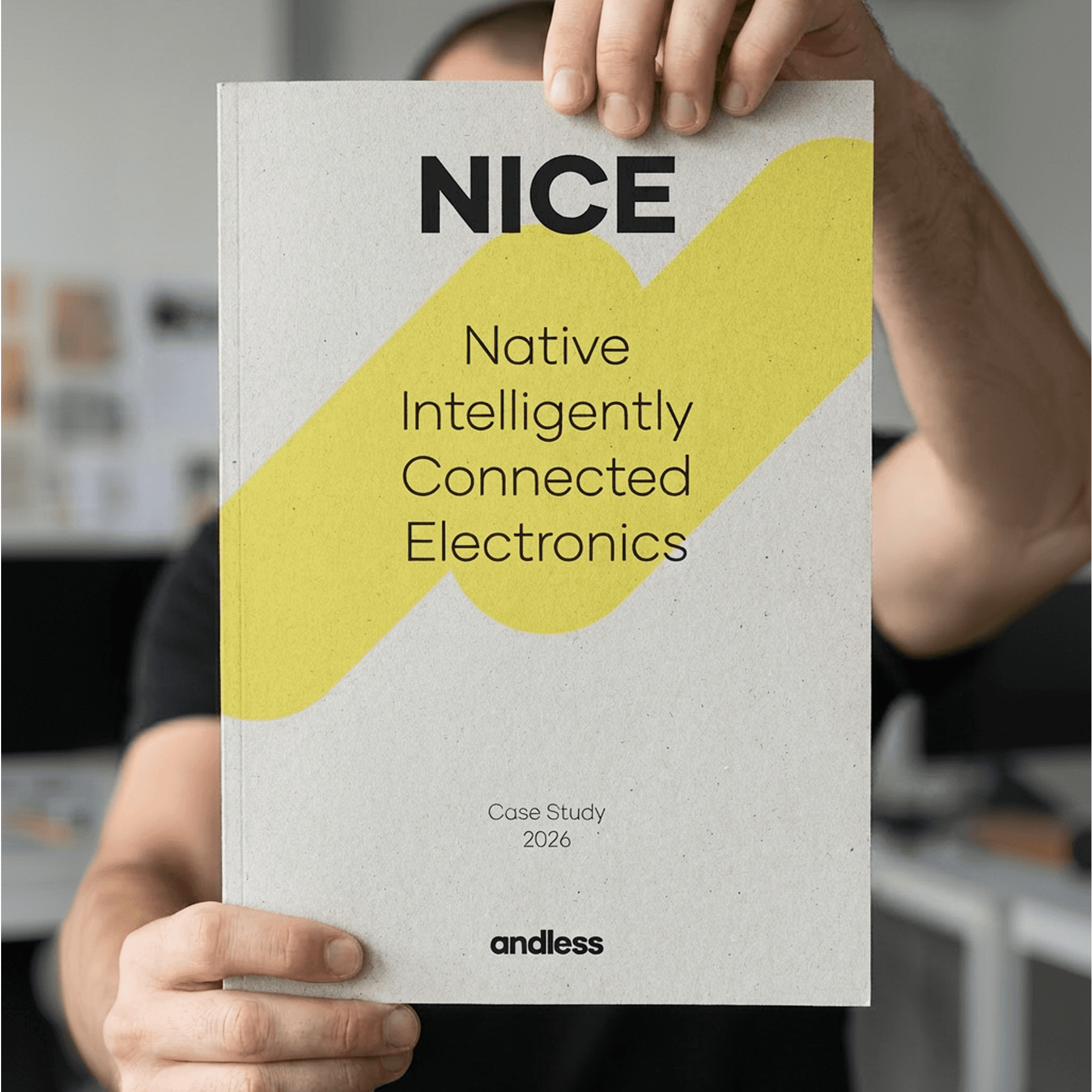
NICE

Native Integrated Connected Electronics
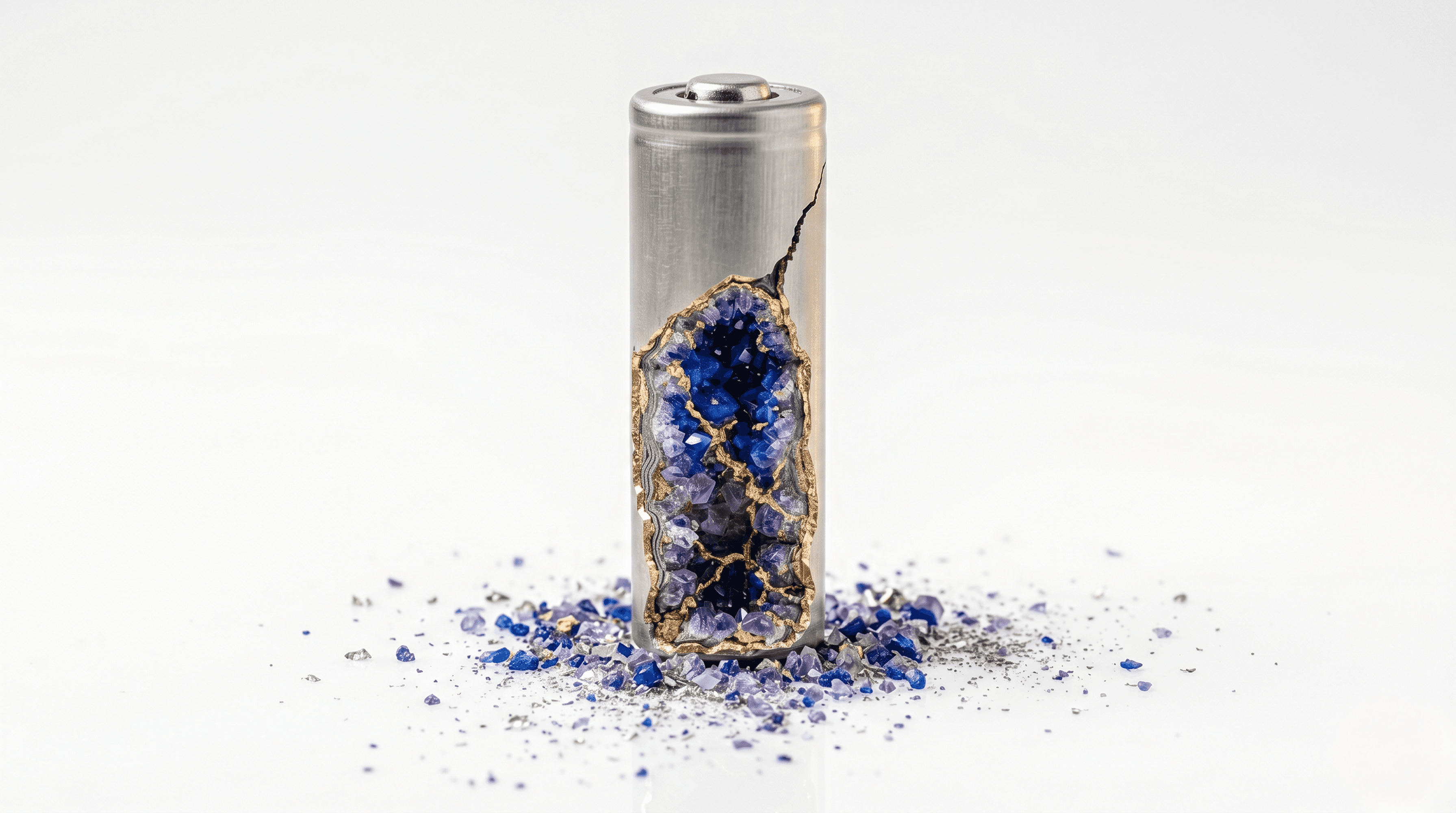
How many batteries are actually in our households  hidden within devices or forgotten in drawers? The new battery regulation demands change, but legal texts alone do not change behavior.

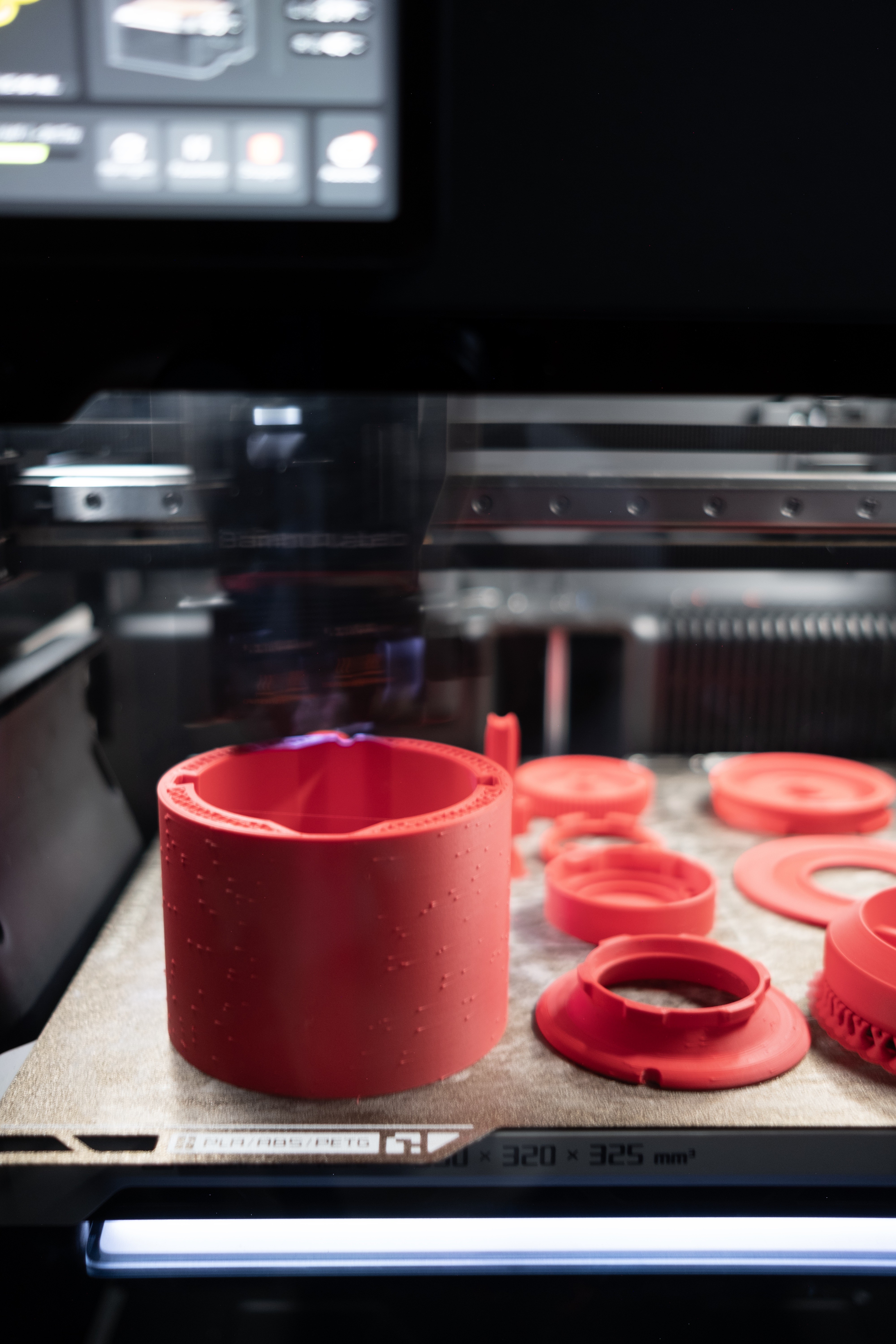
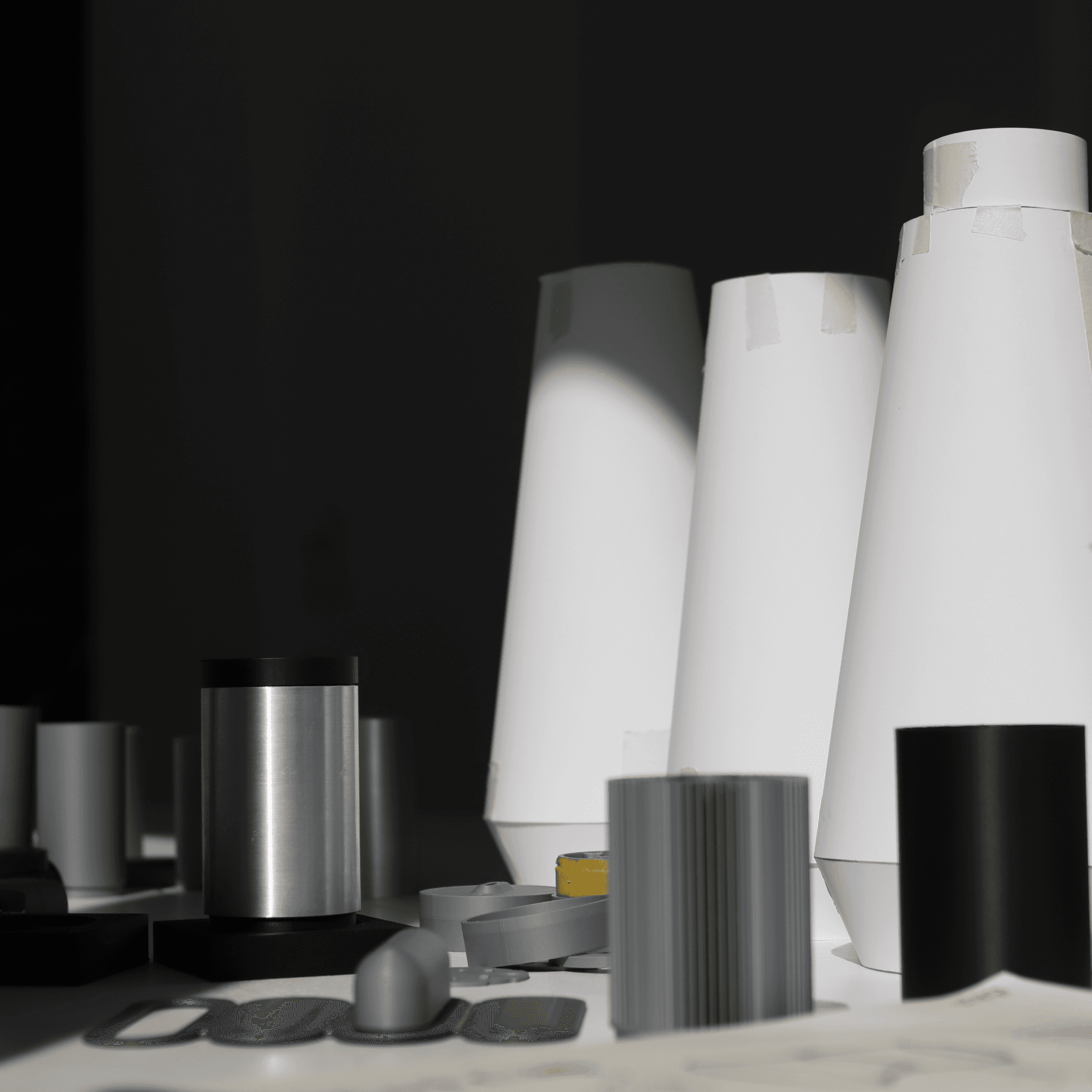
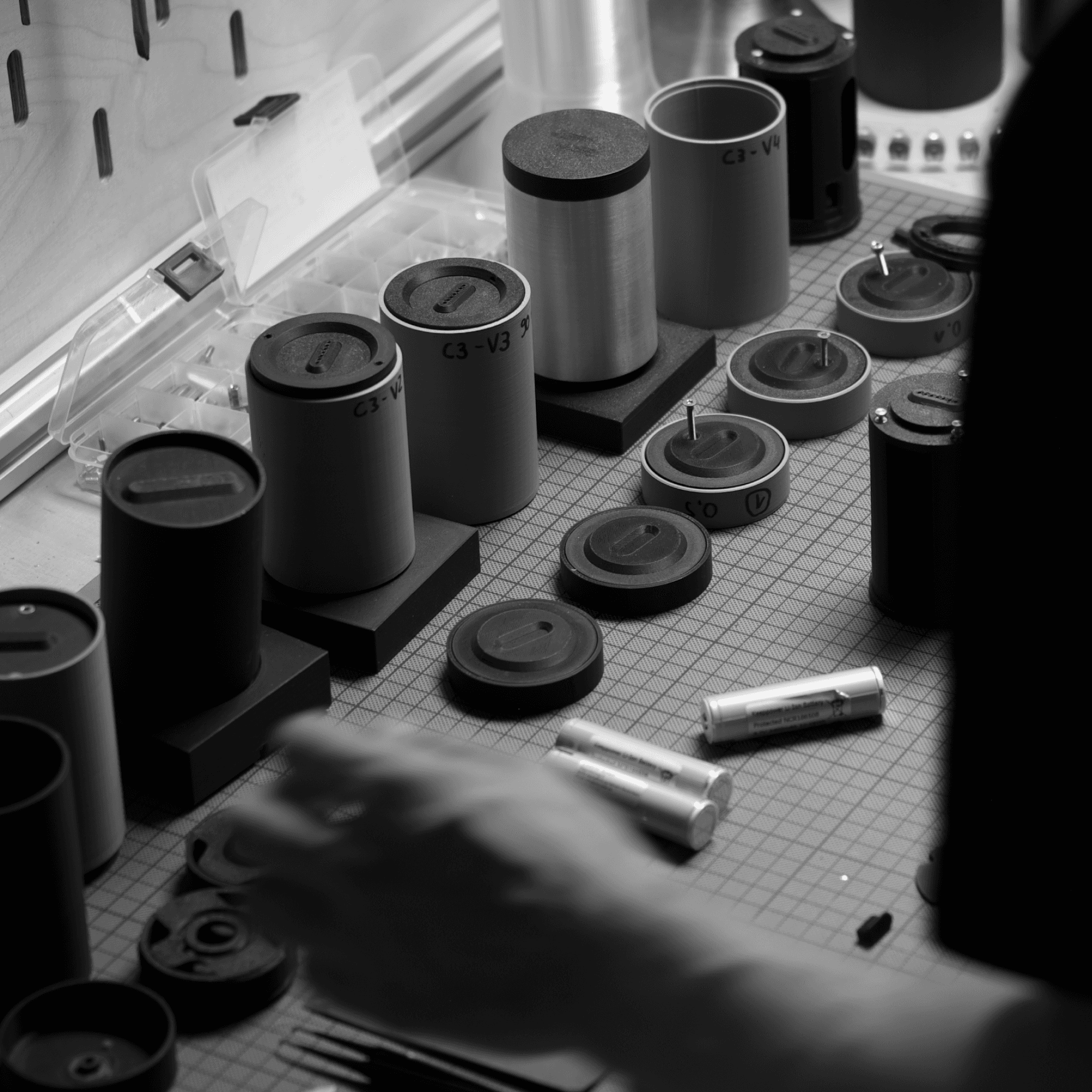
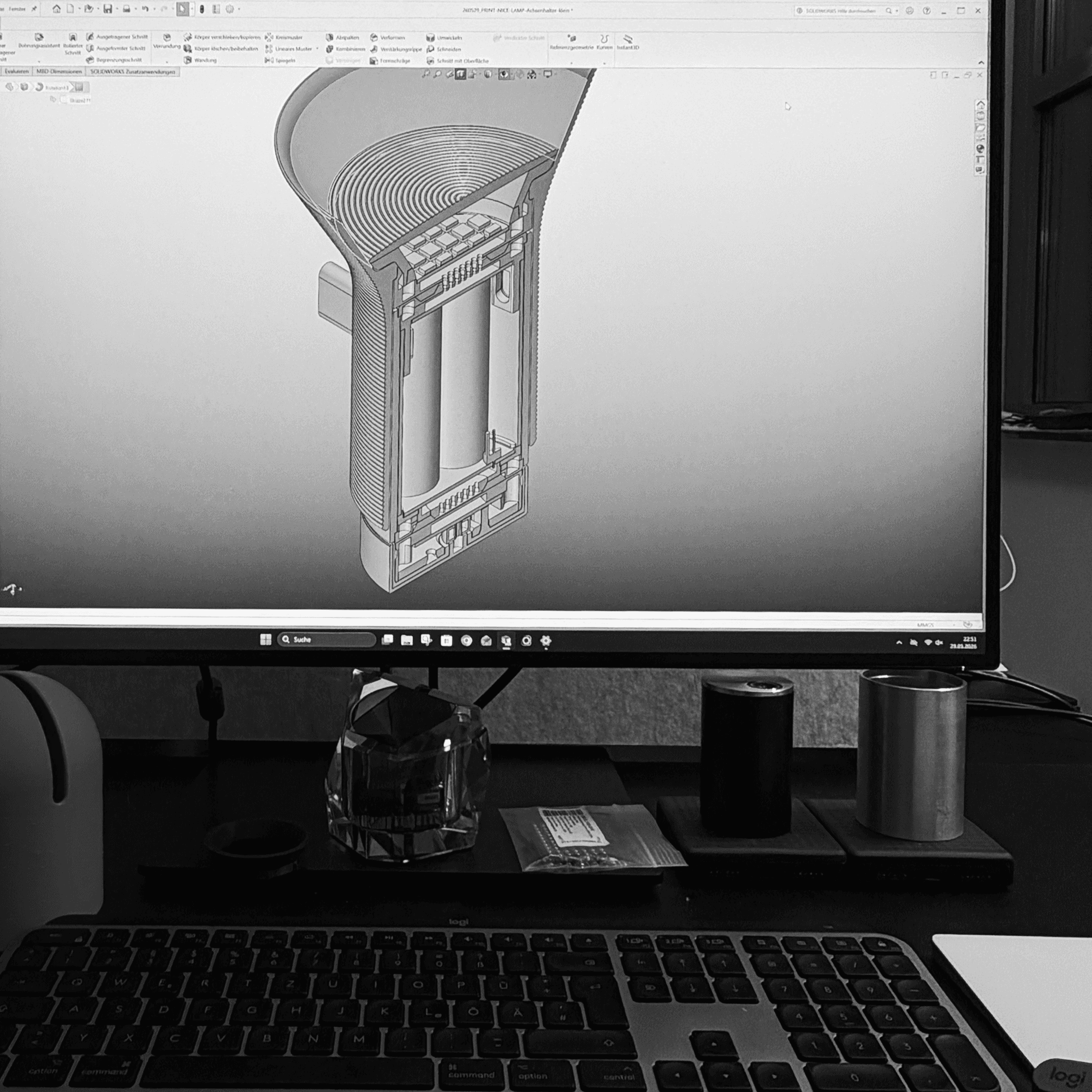
A design study examines how design creates awareness to promote a responsible handling of valuable raw materials. With our design study „NICE“ we are exploring how modularity can make everyday electronic products genuinely circular. We focused our design study on the battery, which is usually the shortest-lived component in modern products. To make this concept tangible, we built a functional prototype.

How many batteries are actually in our households hidden within devices or forgotten in drawers? The new battery regulation demands change, but legal texts alone do not change behavior. A case study examines how design creates awareness to promote a responsible handling of valuable raw materials. With our design study „NICE“ we are exploring how modularity can make everyday electronic products genuinely circular. We focused our design study on the battery, which is usually the shortest-lived component in modern products. To make this concept tangible, we built a functional prototype.

A Starting Point for Systemic Change

A Starting Point for

Systemic Change

Our prototype is not a final product; it is a starting point for discussion and further development. We believe that meaningful change in the electronics industry can only happen if we begin designing in entire systems, rather than simply relying on established manufacturing methods just because "that's how it has always been done." To transition toward a circular economy, we need to rethink how components connect, age, and cycle through the tech ecosystem.

Our prototype is not a final product; it is a starting point for discussion and further development. We believe that meaningful change in the electronics industry can only happen if we begin designing in entire systems, rather than simply relying on established manufacturing methods just because "that's how it has always been done." To transition toward a circular economy, we need to rethink how components connect, age, and cycle through the tech ecosystem.

Bringing the Battery out of Hiding

Bringing the Battery

out of Hiding

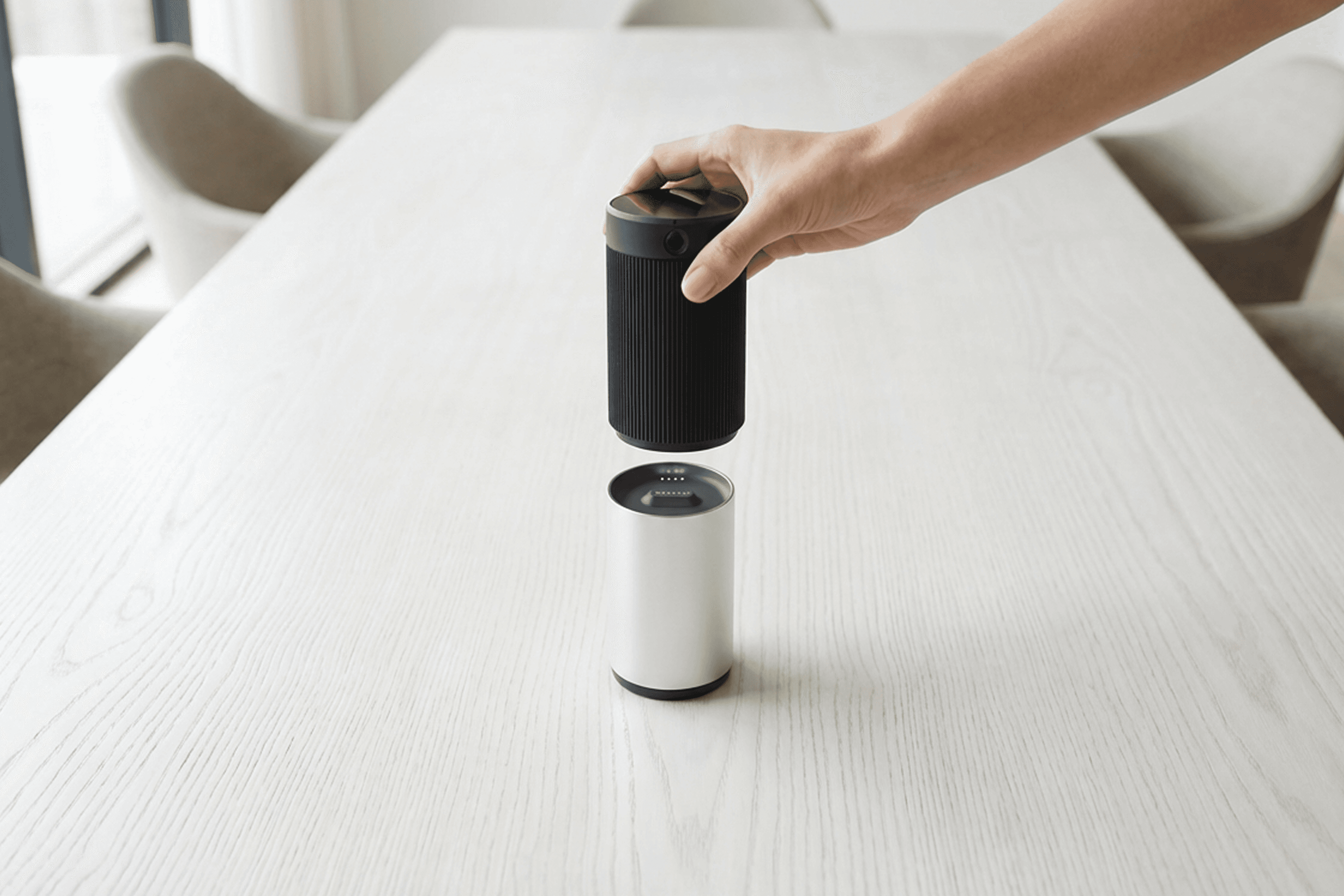
In conventional electronics design, the battery is treated like a dirty secret, permanently sealed away, out of sight, and out of mind. This creates a psychological disconnect; when a component is invisible, it is easy to perceive it as worthless or disposable. We wanted to challenge this norm by flipping the narrative: instead of hiding the battery, we made it a central, highly visible element of the product’s visual identity.

By exposing the battery rather than concealing it, the design explicitly communicates what is inside. It reframes the power source not just as a functional commodity, but as a complex engine crafted from precious, finite, and highly recyclable materials. When users can see and interact with this core component, its perceived value shifts.

In conventional electronics design, the battery is treated like a dirty secret, permanently sealed away, out of sight, and out of mind. This creates a psychological disconnect; when a component is invisible, it is easy to perceive it as worthless or disposable. We wanted to challenge this norm by flipping the narrative: instead of hiding the battery, we made it a central, highly visible element of the product’s visual identity.

By exposing the battery rather than concealing it, the design explicitly communicates what is inside. It reframes the power source not just as a functional commodity, but as a complex engine crafted from precious, finite, and highly recyclable materials. When users can see and interact with this core component, its perceived value shifts.

Accelerating Innovation for Small Teams

Developing a project like NICE highlights a broader shift in how hardware is built today. We see immense potential in the growing maker scene, open-source social media networks, and AI as powerful accelerators for hardware development.

These tools and communities lower the barrier to entry, allowing small teams to realize complex, systemic concepts and iterate rapidly without the backing or infrastructure of traditional corporate setups.

Behaviour Change By Design

Behaviour Change By Design

While new legislation regarding the Right to Repair is an important and necessary step forward, legal frameworks alone are not enough to alter consumer habits. Real change only happens when the barriers for the end user are made as low as possible. If maintaining a device requires a user to unscrew complex housings, navigate technical manuals, or independently source replacement batteries, the friction remains too high for the average consumer.

To foster a genuine culture of care around the products we own, the user experience must be seamless. This is where the intersection of design and service becomes critical. Service is key; we need to design product systems that make part replacement intuitive and effortless. By removing the technical anxiety and logistical hurdles of repair, we can use design to naturally guide behavior toward longevity and circularity.

While new legislation regarding the Right to Repair is an important and necessary step forward, legal frameworks alone are not enough to alter consumer habits. Real change only happens when the barriers for the end user are made as low as possible. If maintaining a device requires a user to unscrew complex housings, navigate technical manuals, or independently source replacement batteries, the friction remains too high for the average consumer.

To foster a genuine culture of care around the products we own, the user experience must be seamless. This is where the intersection of design and service becomes critical. Service is key; we need to design product systems that make part replacement intuitive and effortless. By removing the technical anxiety and logistical hurdles of repair, we can use design to naturally guide behavior toward longevity and circularity.

Accelerating Innovation for Small Teams

Developing a project like NICE highlights a broader shift in how hardware is built today. We see immense potential in the growing maker scene, open-source social media networks, and AI as powerful accelerators for hardware development.

These tools and communities lower the barrier to entry, allowing small teams to realize complex, systemic concepts and iterate rapidly without the backing or infrastructure of traditional corporate setups.